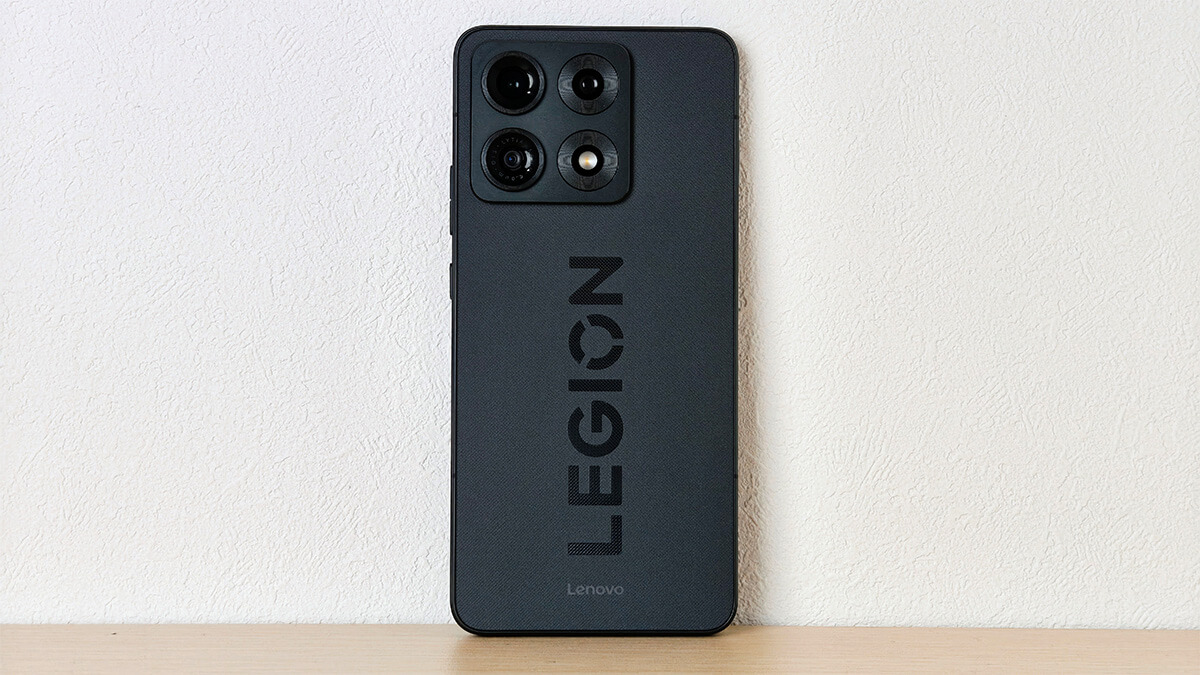
I got my hands on the Lenovo Legion Y70 2026.
Speakers That Get Seriously Loud
The Lenovo Legion Y70 2026 (Y70 新一代) is a gaming phone powered by the Snapdragon 8 Gen 5.
It packs a 144Hz refresh rate display and a large 8000mAh battery, and it supports dual eSIM.
Durability is a strong point too: it carries IP66, IP68 and IP69 water and dust resistance, and it also passes China’s GJB150 military environmental testing.
The speakers get extremely loud — loud enough that the back of the phone vibrates.
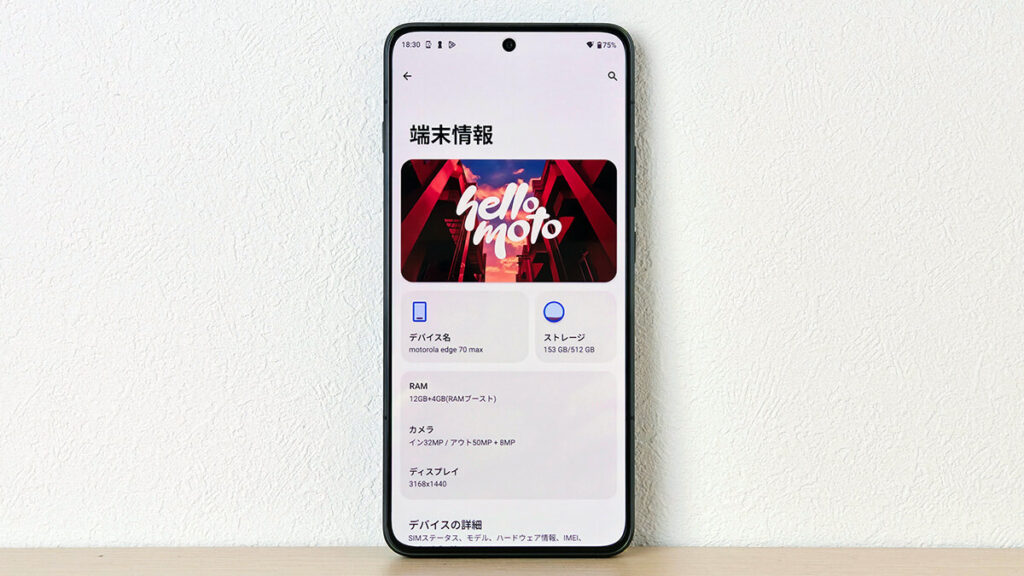
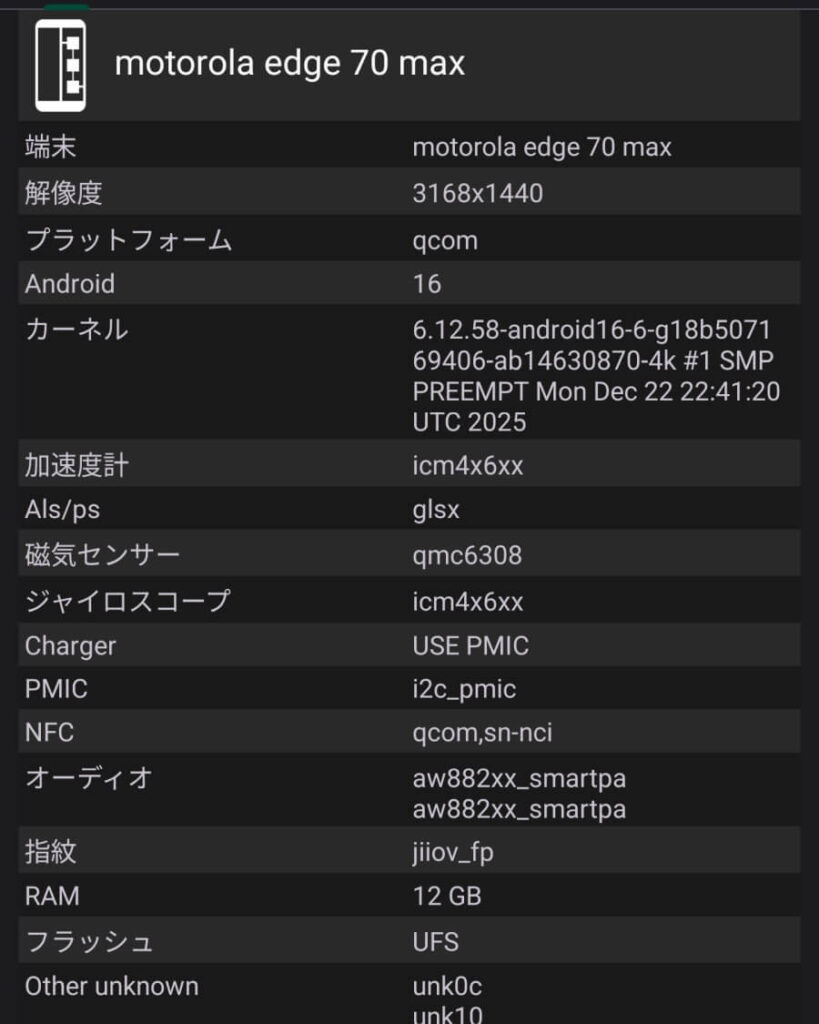
The unit I received was a Bootloader Locked version that had already been flashed with the ROM of the global-market motorola edge 70 max, so in practice this is closer to a review of the motorola edge 70 max.
Even though my unit was a ROM-flashed item from the Lenovo Smart Store, for some reason it still arrived shrink-wrapped with Lenovo’s seal sticker intact (with no sign of it having been reapplied).
If you’re fine with leaving it on the Chinese version, you can buy it a little cheaper.
This review was done with the 12GB+512GB model on build W3WW36.55-25-3-4.
- High-performance Snapdragon 8 Gen 5
- 144Hz OLED display
- Speakers that get seriously loud
- 8,000mAh battery with bypass charging
- eSIM support
- Gaming-first tuning means it heats up easily
- Flashing the global ROM strips out most gaming features
| Spec | Lenovo Legion Y70 2026 (XT2611-1) |
|---|---|
| OS | Android |
| RAM | 12GB / 16GB LPDDR5X Ultra |
| Storage | 256GB / 512GB / 1TB UFS 4.1 |
| SoC | Snapdragon 8 Gen 5 |
| Display | 6.82 inch 3168×1440 Aspect ratio 19.8:9 144Hz refresh rate |
| Dimensions | 163.96 × 77.32 × 8.29 mm |
| Weight | 224g |
| SIM | nano-SIM ×2 / eSIM ×2 supported |
| Rear camera | 50MP (SONY LYT-710 / OIS) + 8MP (ultra-wide) |
| Front camera | 32MP |
| Battery | 8000mAh |
| USB port | USB Type-C |
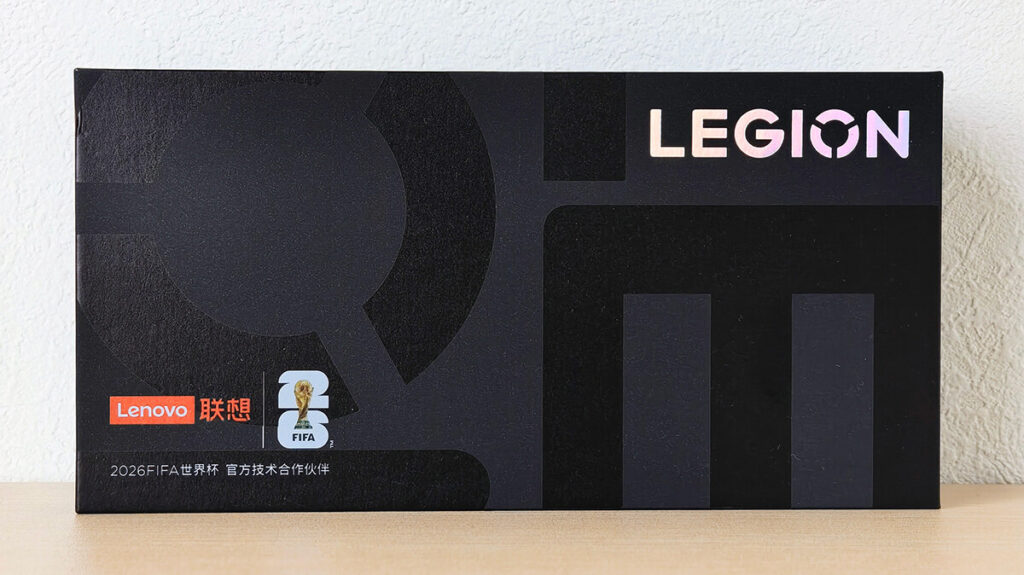
A manual, a protective case, a charging cable and a charger are included in the box.
A screen protector comes pre-applied from the factory.
Display: Easy to Read Outdoors
The Lenovo Legion Y70 2026 has a 6.82-inch display at 3168×1440 resolution.
It’s flat, so it stays easy to read right out to the edges.
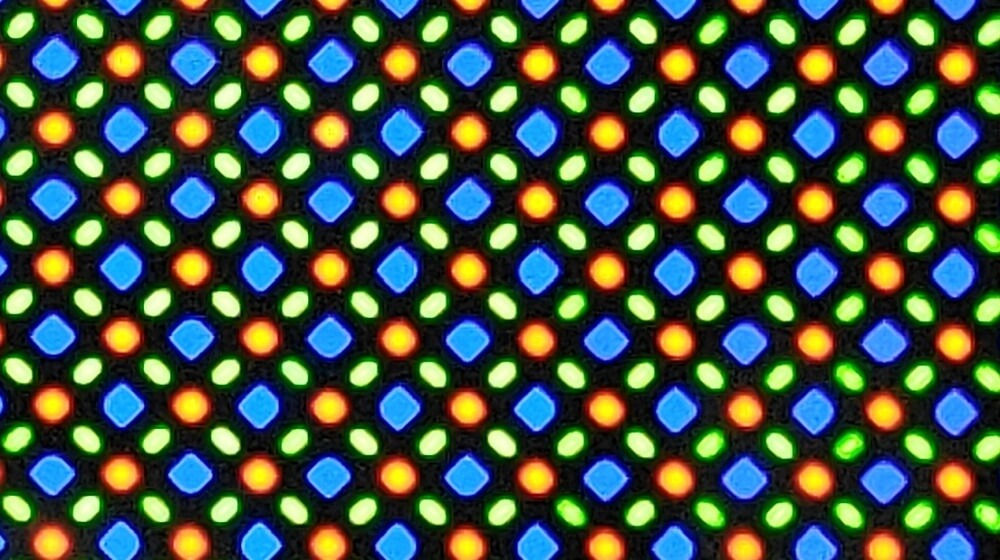
The subpixel layout is diamond pixel.
Measuring brightness with an LX-1336B while displaying a full-white image at maximum brightness, it reached a peak of 1275nit.
That makes it quite readable outdoors in daylight.
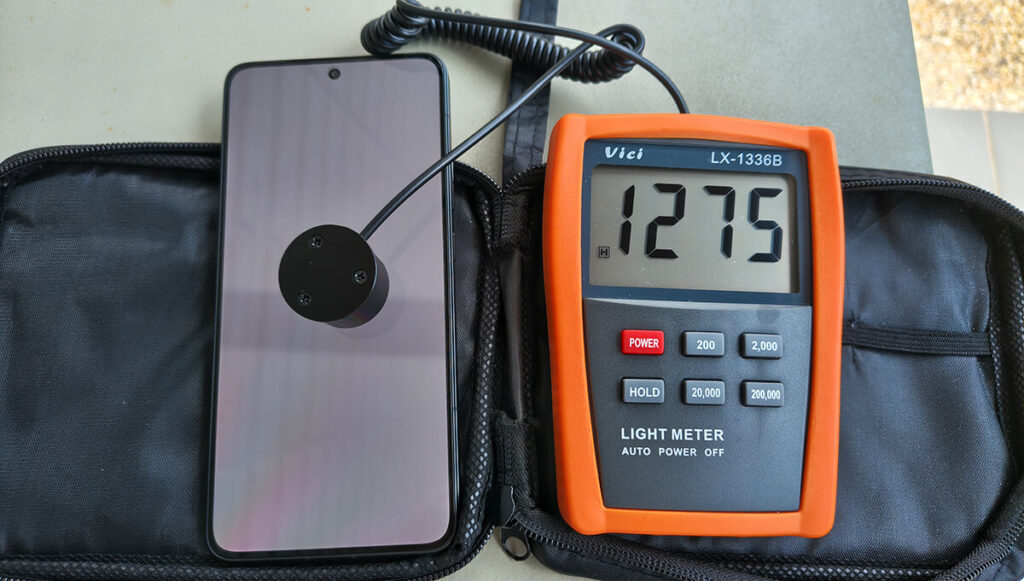
It’s the unit used to express brightness — the higher the number, the brighter the screen.
Roughly 400–500nit is considered necessary indoors, and around 800–1000nit outdoors, otherwise the screen becomes hard to see.
Note that on many phones the maximum value is capped unless automatic brightness is turned on.
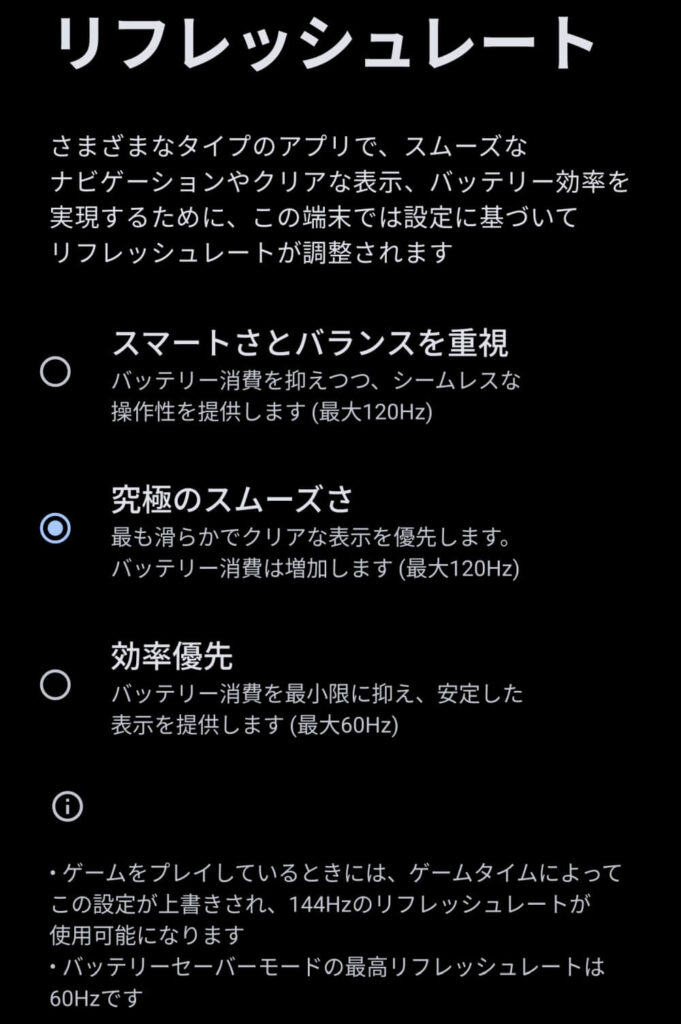
The refresh rate goes up to 144Hz.
144Hz can be enabled in game mode; outside of that it runs at 120Hz.
Once an app is added to game mode, you can set it to 60, 90, 120 or 144Hz on a per-app basis.
Measuring the touch sampling rate with Touch Sample Rate Tester, the Movement Rate averaged around 120Hz for both single and multi-touch.
Because this unit runs the motorola edge 70 max ROM, the touch sensitivity boost isn’t active.
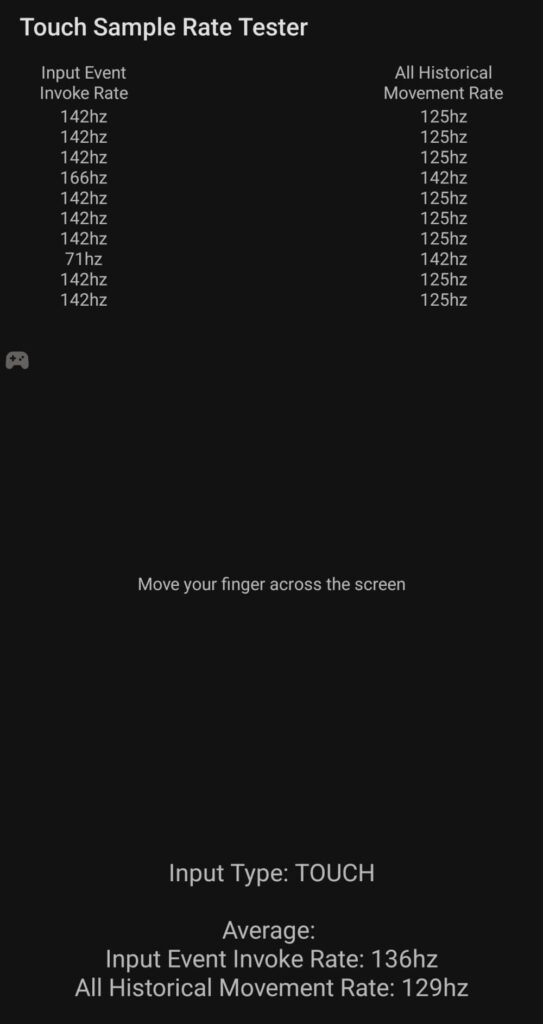
It relates to how sensitive the screen is when you touch it.
The higher this number, the more often the display responds quickly to your touch.
In practice, though, touch latency isn’t determined by this alone — other factors come into play, and the final touch latency can still end up being high.
As a rough guide, a Movement Rate about twice the screen’s refresh rate is average, more than three times is high, and gaming phones often reach around five to six times.
Touch latency measured with WALT Latency Timer came to 27.9ms in total.
That’s a solid result, unlike the Y700 series where touch latency never seems to improve.
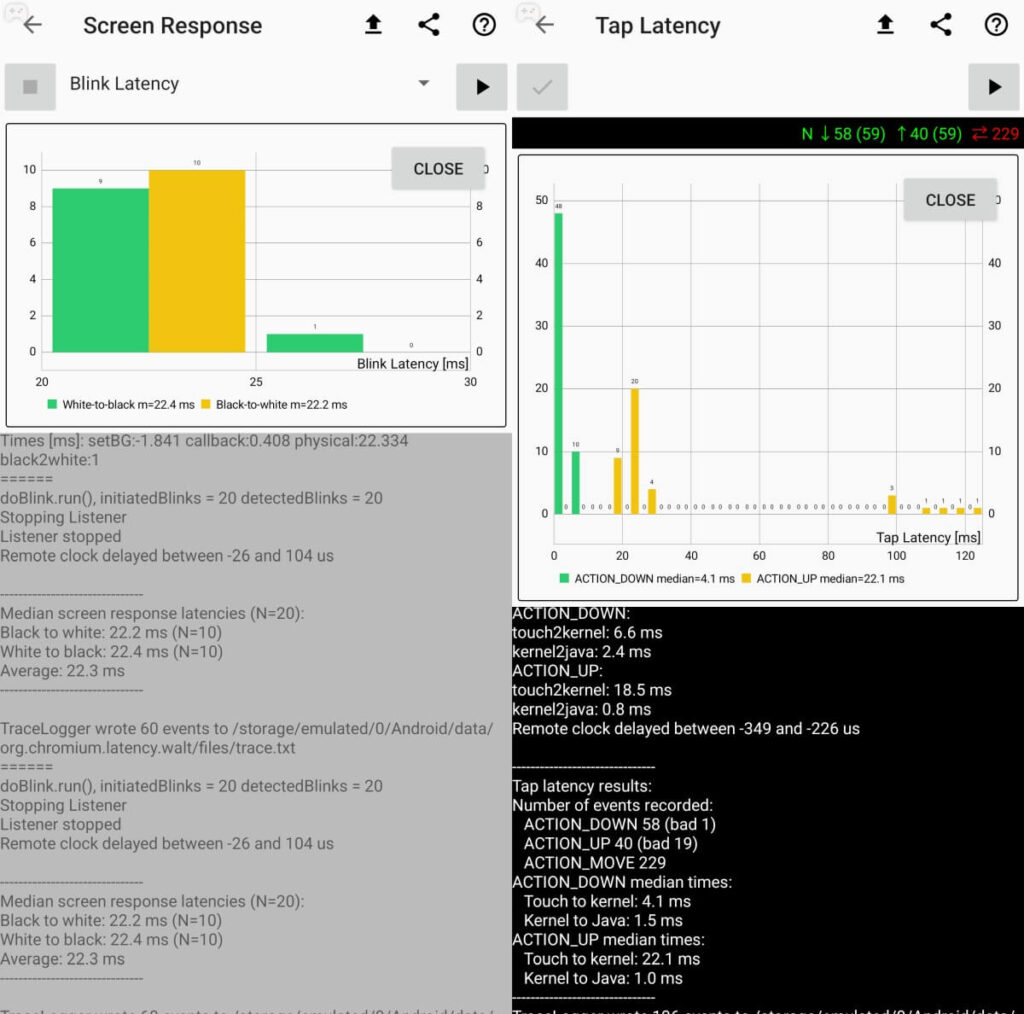
It’s the time it takes for the screen to respond after you touch it.
The smaller this number, the faster the response.
Around 25ms is typical for gaming phones, and the low-to-mid 30s to 40ms range for ordinary phones.
It’s Widevine L1, so you can stream in high quality on services like Amazon Prime Video.
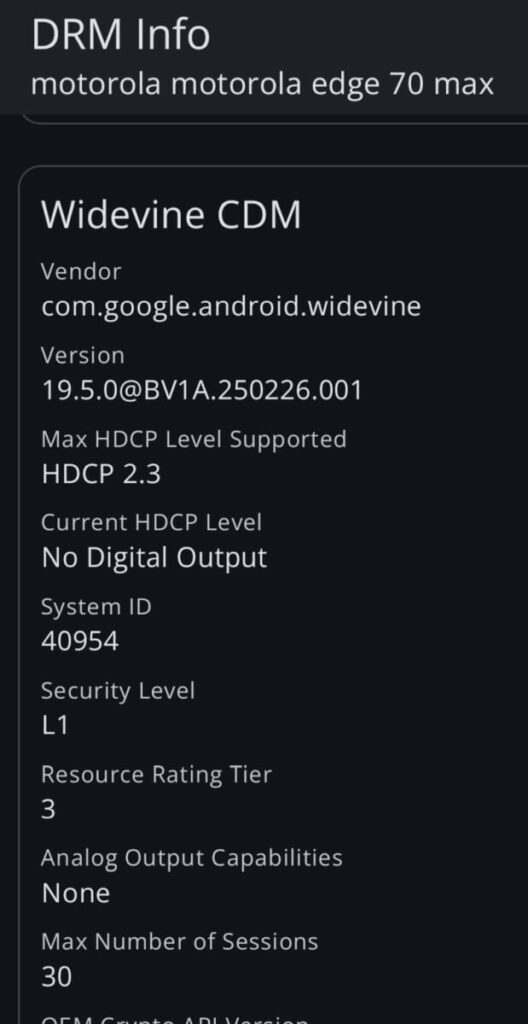
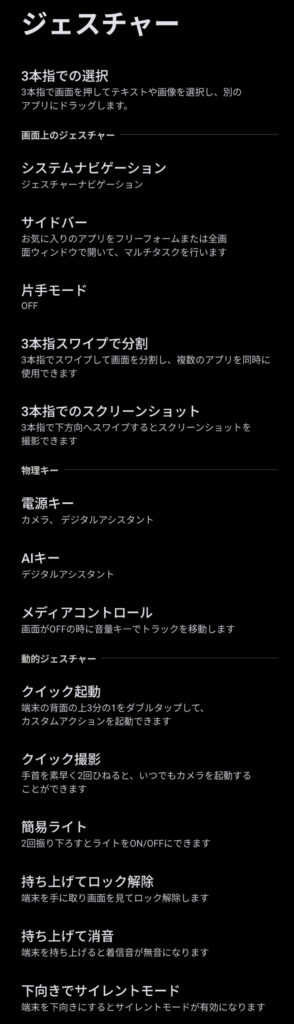
There’s a good range of gesture controls, including a sidebar that brings up an app list to make multitasking easier.
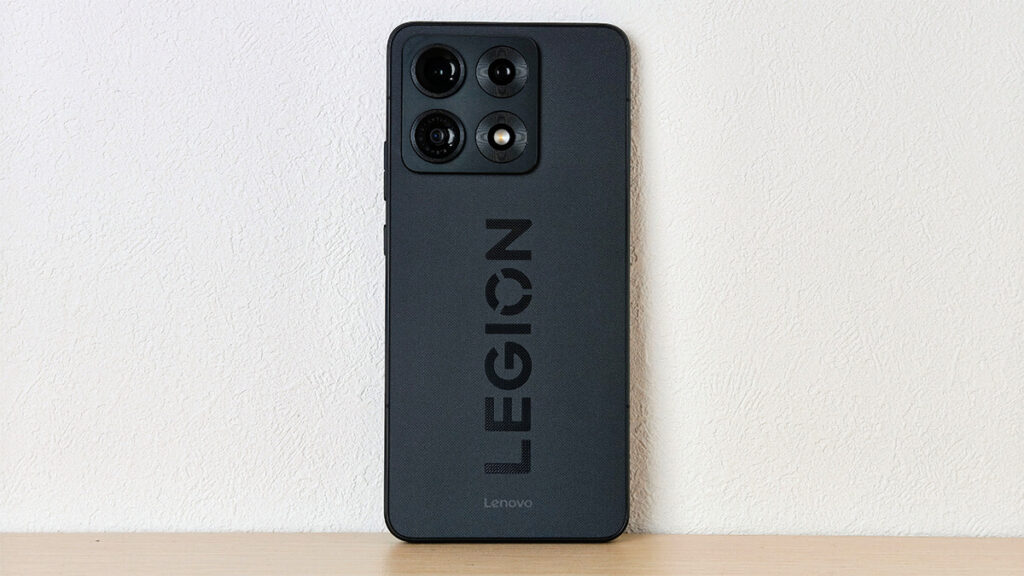
Back: Smooth to the Touch
The back has a smooth matte finish that resists fingerprints well.
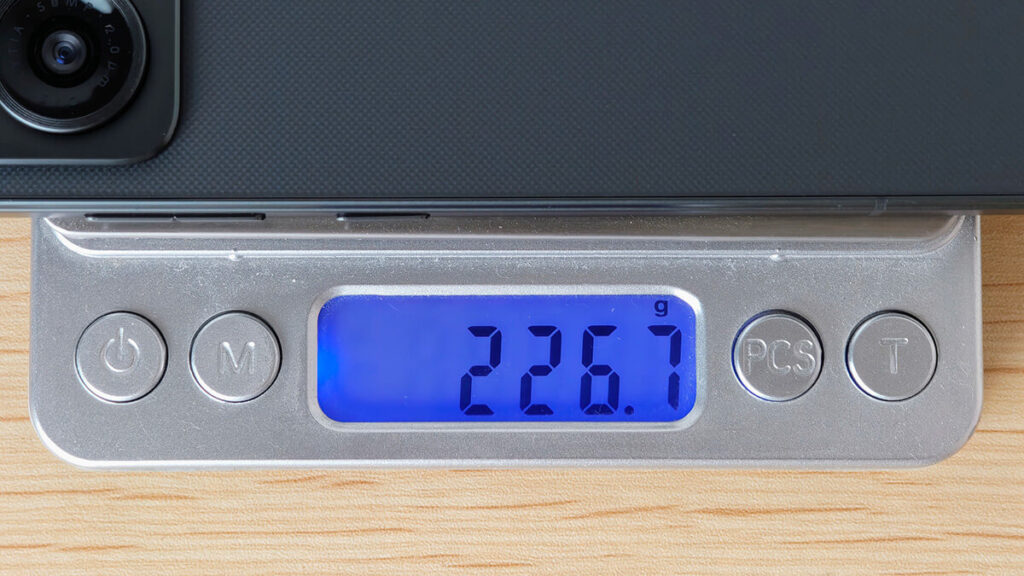
It weighs 226.7g.
The cameras are:
- 50MP (SONY LYT-710 / OIS)
- 8MP (ultra-wide)
— a dual-camera setup.
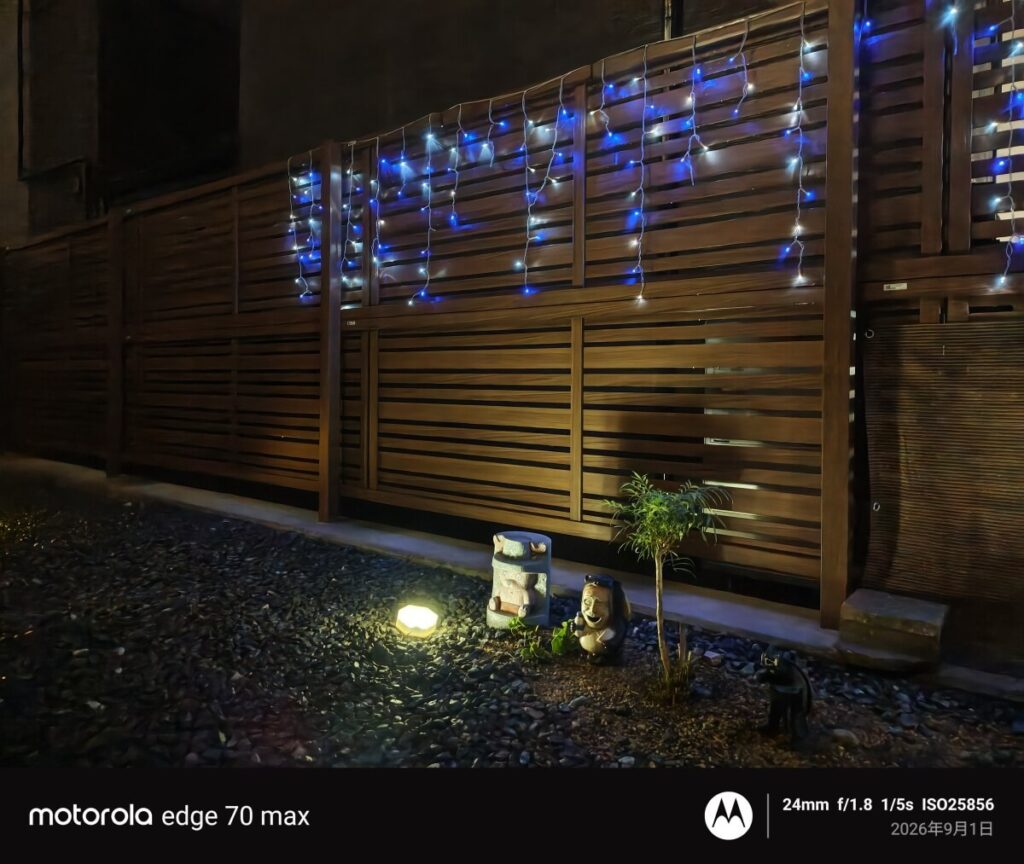
Handheld shots I took are saved here.
Even though it’s a gaming phone, camera performance is more than adequate, and shots still look clean when zoomed in.
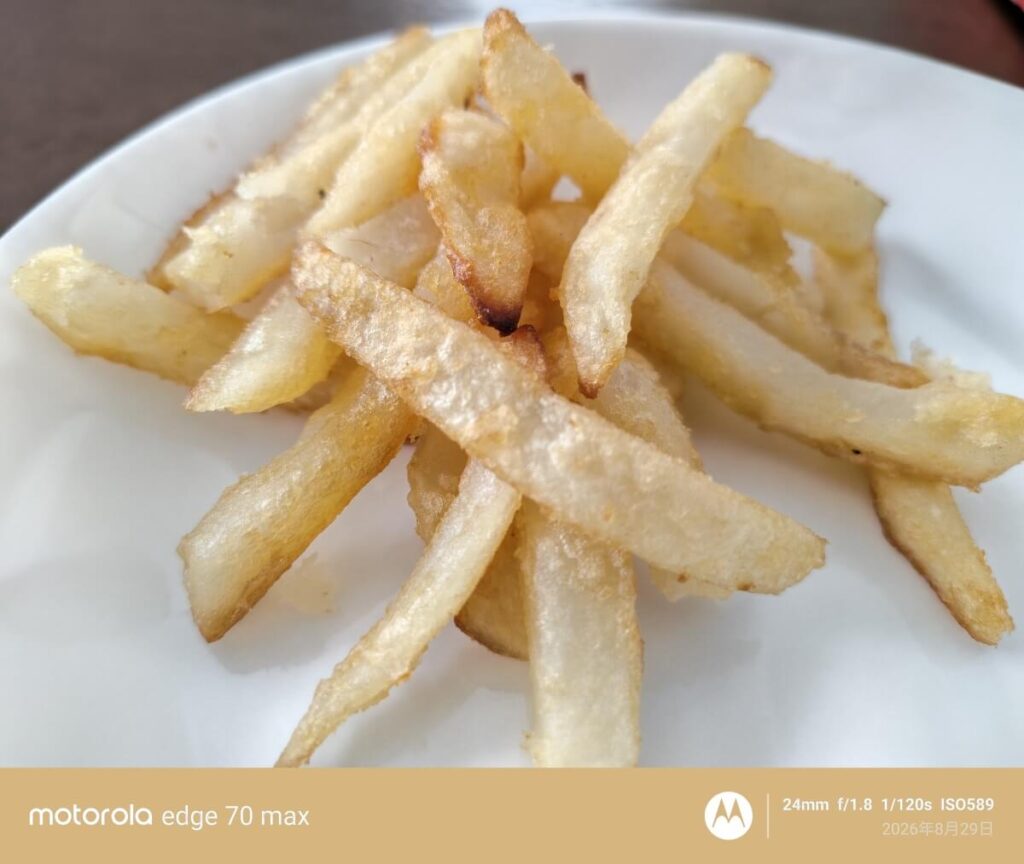

In night mode, it managed bright shots even in places that looked pitch black to the naked eye.
Speakers: Very Loud
The Lenovo Legion Y70 2026 has stereo speakers.
The soundstage is wide and there’s no distortion even at high volume, so you can play music or games loudly when you’re outdoors.
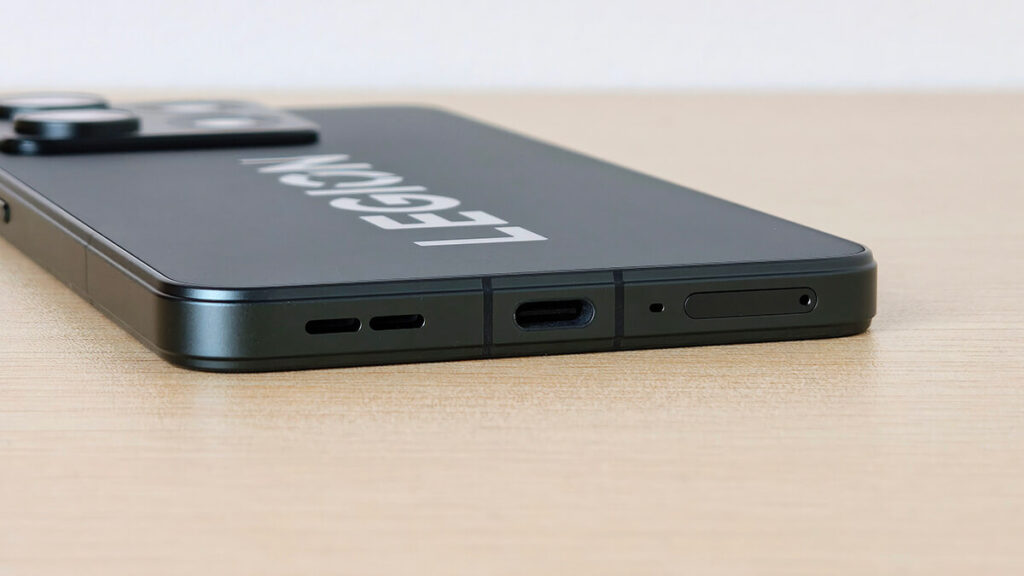
There’s no speaker cutout on the top edge.
Compared with the iQOO 15 Ultra and its 1115 coaxial dual speakers, volume is about even, but the bass feels a little weaker — probably down to the speaker hardware itself.
Even so, it’s far better than flagships from other brands that don’t put much effort into their speakers, and considering the price difference I’d say it holds its own.
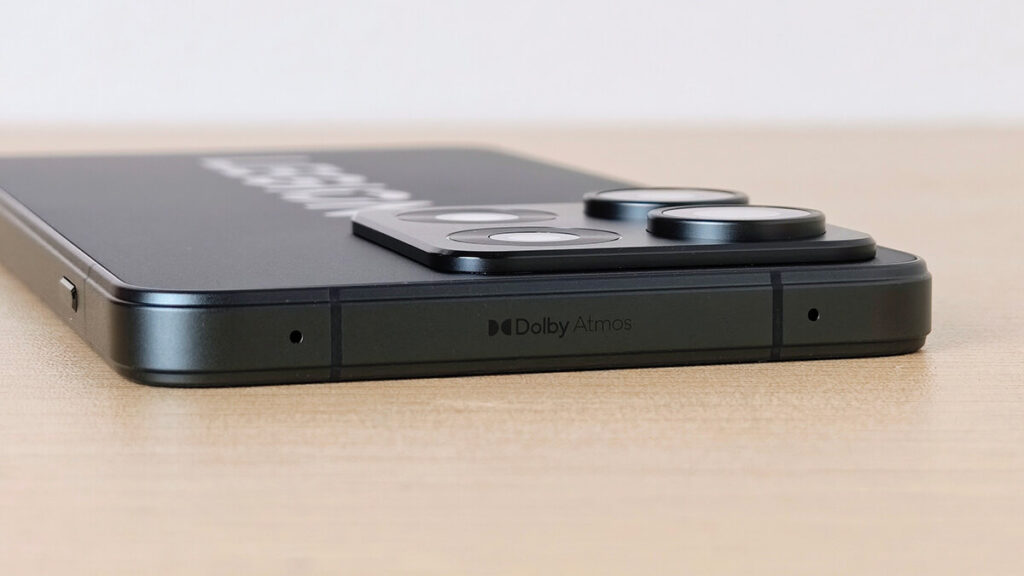
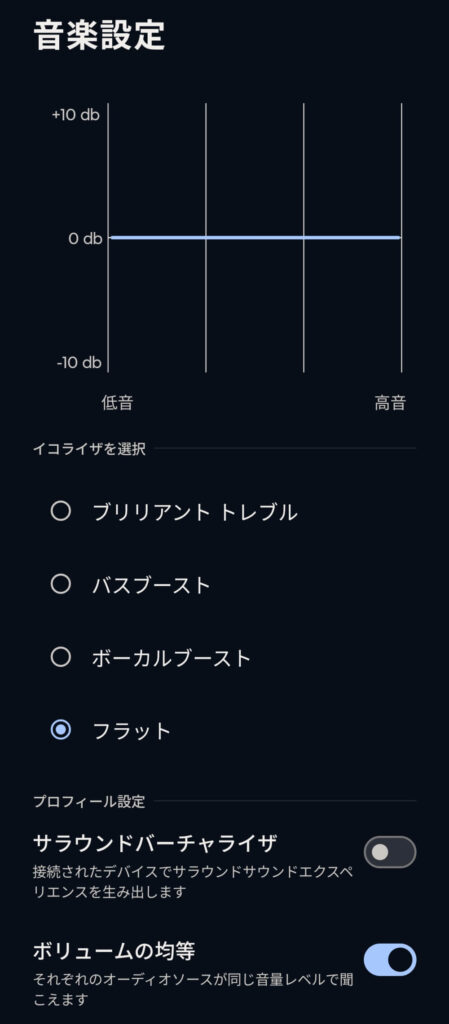
Dolby Atmos is supported, and there’s an equalizer so you can tune the sound to taste.
Surround virtualizer and normalizer options are available too.
There’s no external DAC; it uses the AW882XX instead.
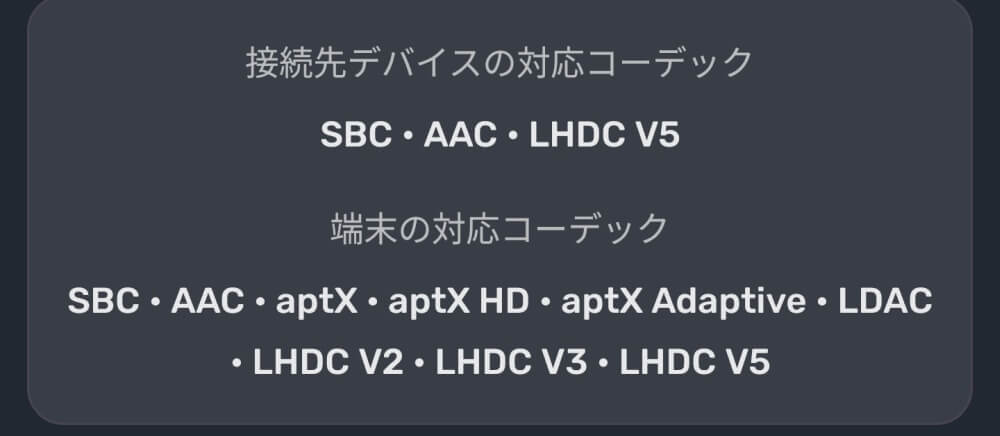
Checking the supported codecs with Bluetooth Codec Changer, it handles AAC / aptX / aptX HD / aptX Adaptive / LDAC / LHDC.
LHDC V5 earbuds aren’t restricted by brand, so you can use third-party models as well.
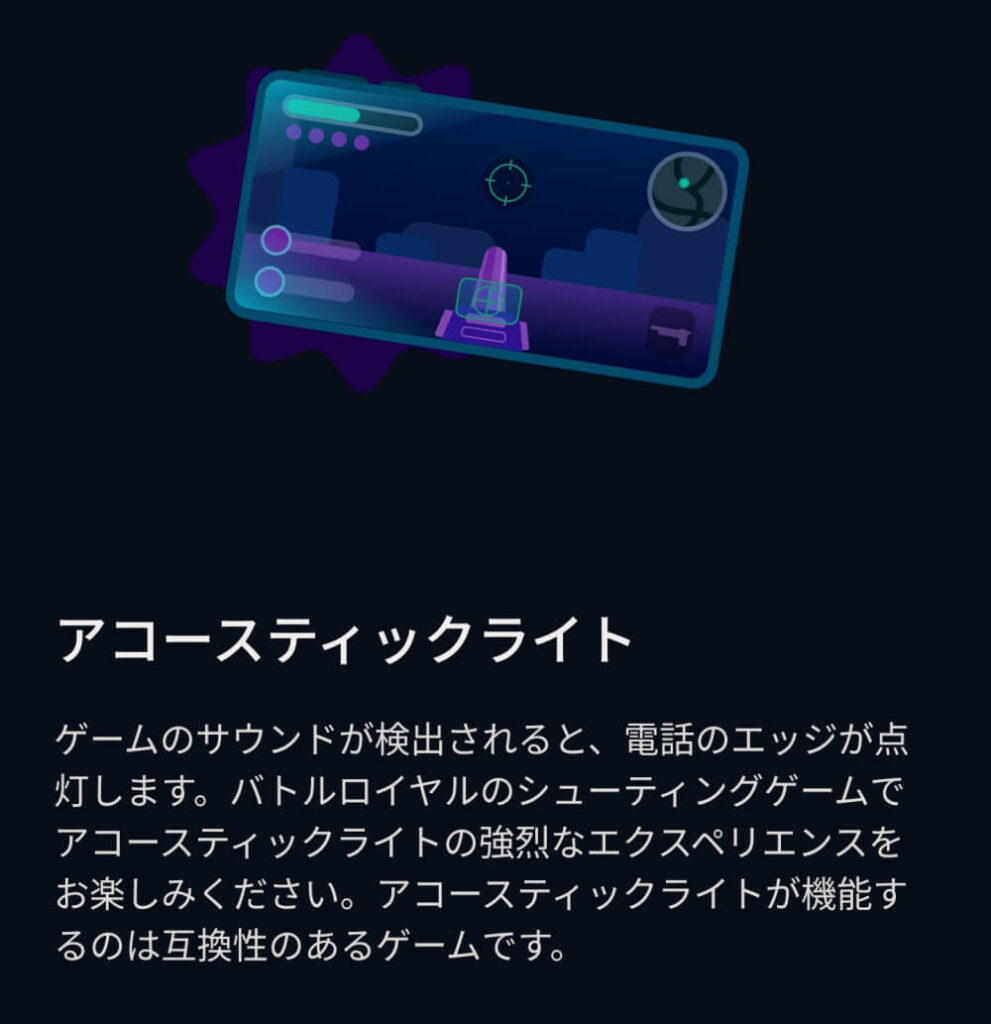
Game mode includes a feature called Acoustic Light that flashes the lighting according to where sounds are coming from, which helps you pinpoint enemy positions in shooters.
Ports: 90W Fast Charging
The battery is a large 8000mAh unit, and it supports 90W fast charging.
Lenovo rates it for 1,200 charge cycles, which in theory means it should last up to seven years.
It also clears IP66, IP68 and IP69 water and dust resistance as well as military-grade reliability testing, so durability is high.
There’s an option to stop charging at 80%, among others, which helps extend battery lifespan.
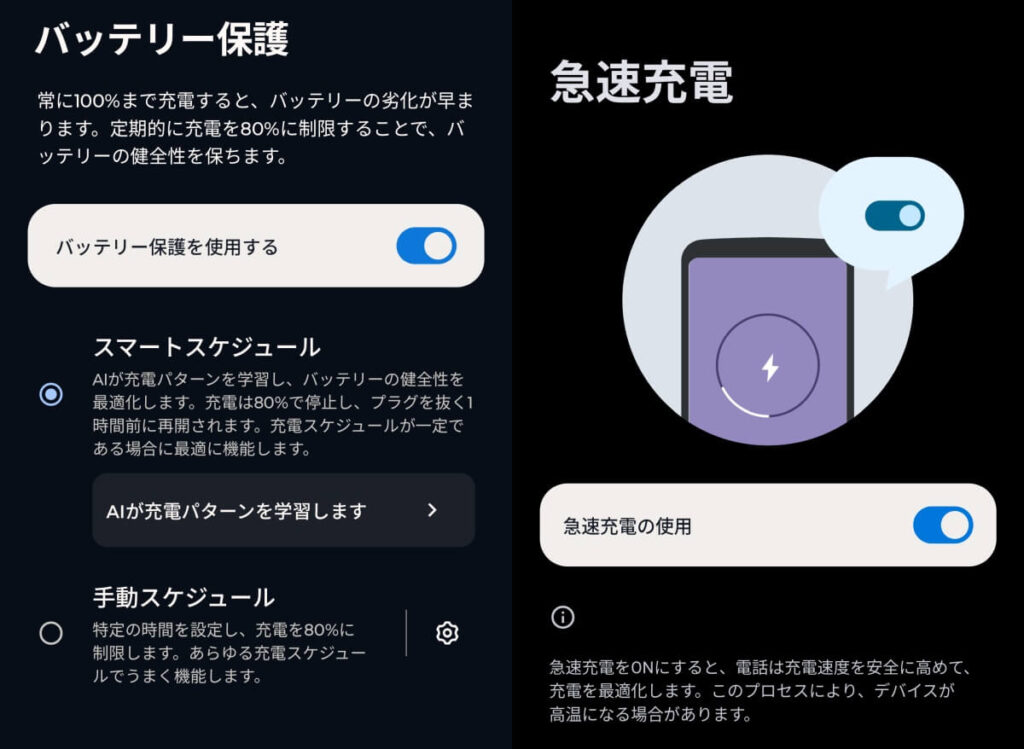
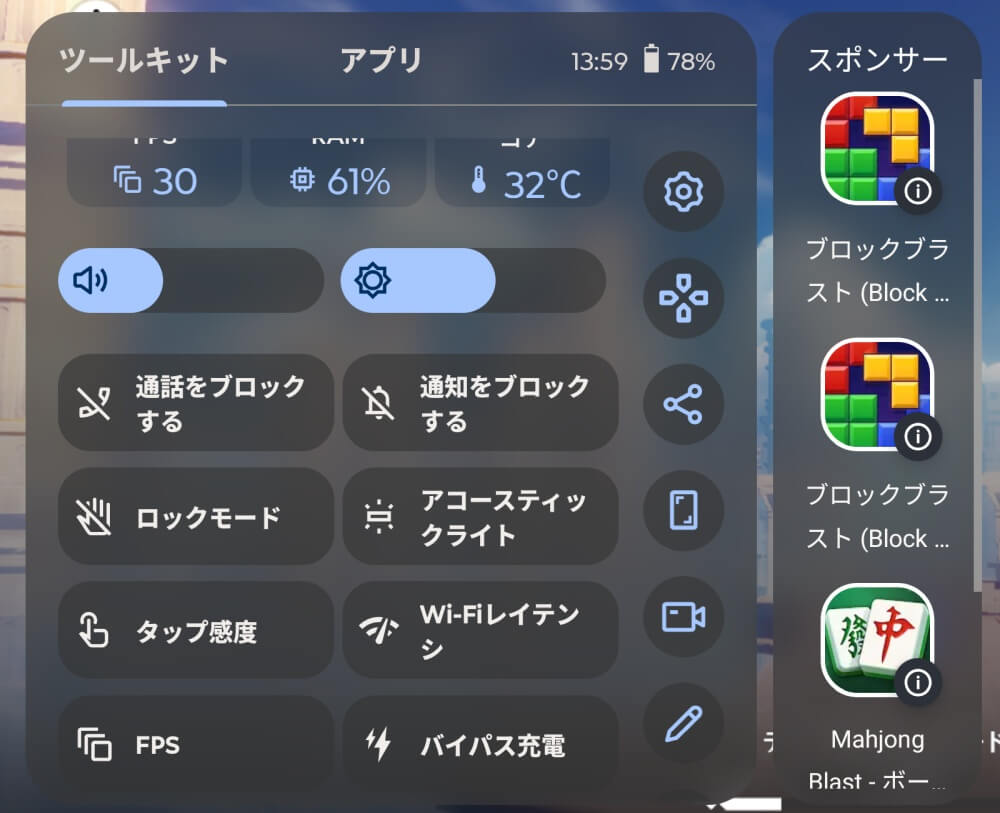
In game mode you can use bypass charging, which feeds power directly to the system instead of the battery, so playing while plugged in puts less strain on the battery.
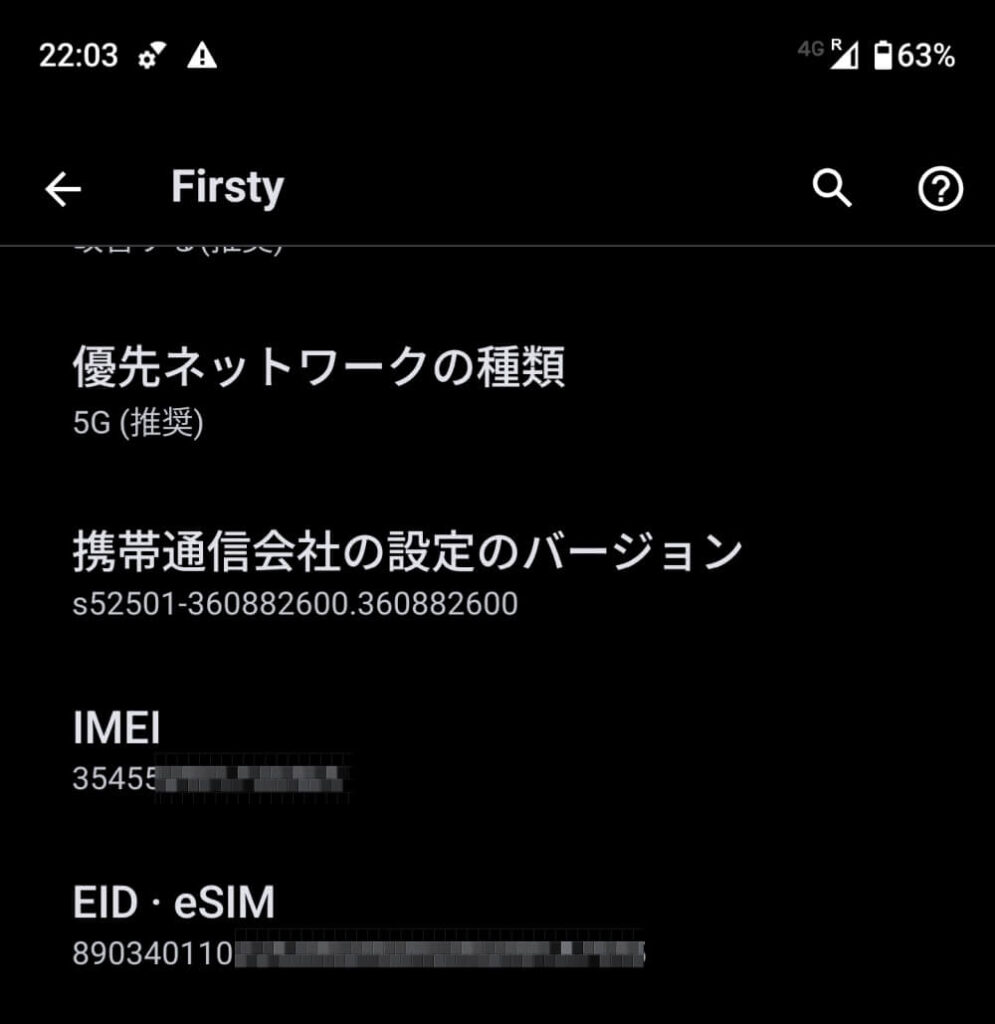
For mobile data it supports eSIM in addition to nano SIM, so you can run dual SIM — very convenient.
The EID started with 89034011.
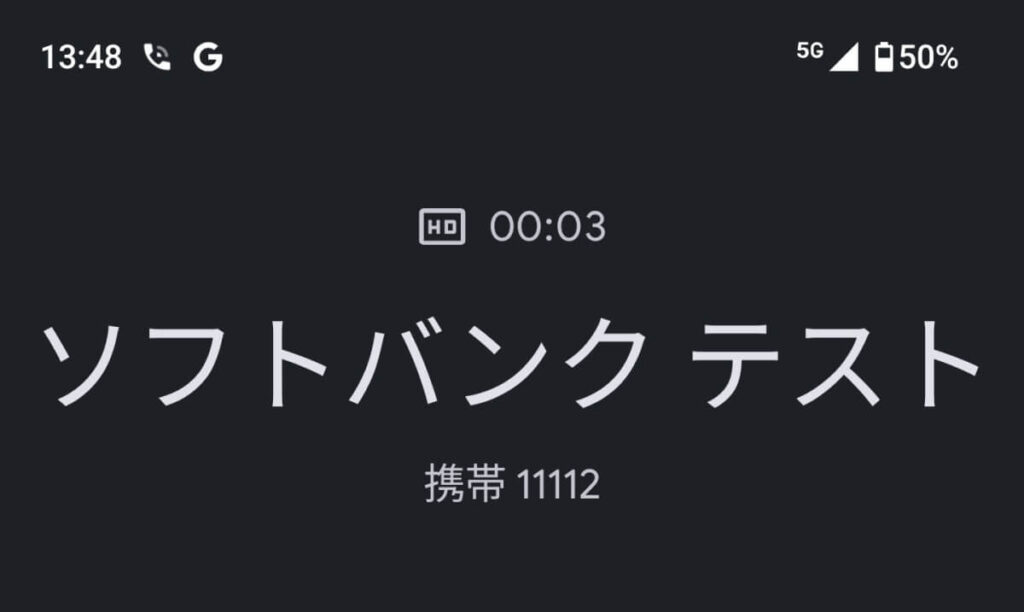
VoLTE calling works without issues.
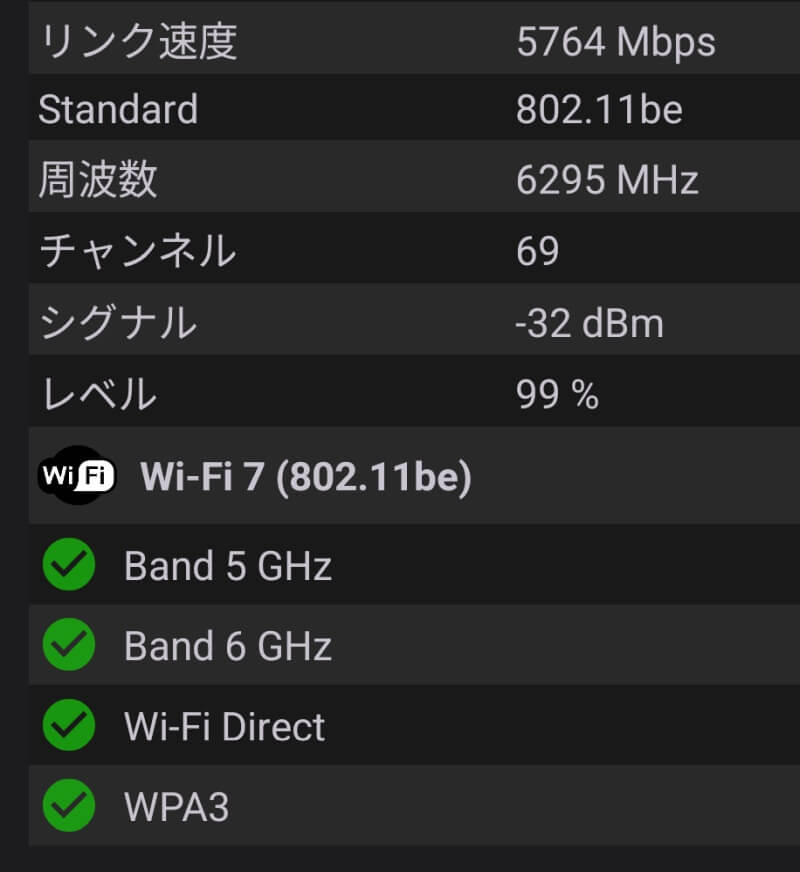
Since this unit has been flashed to the global ROM, Wi-Fi 7 and the 6GHz band are available, and the link speed reached 5764Mbps.
On the Chinese ROM 6GHz is disabled, so you won’t get link speeds this high.
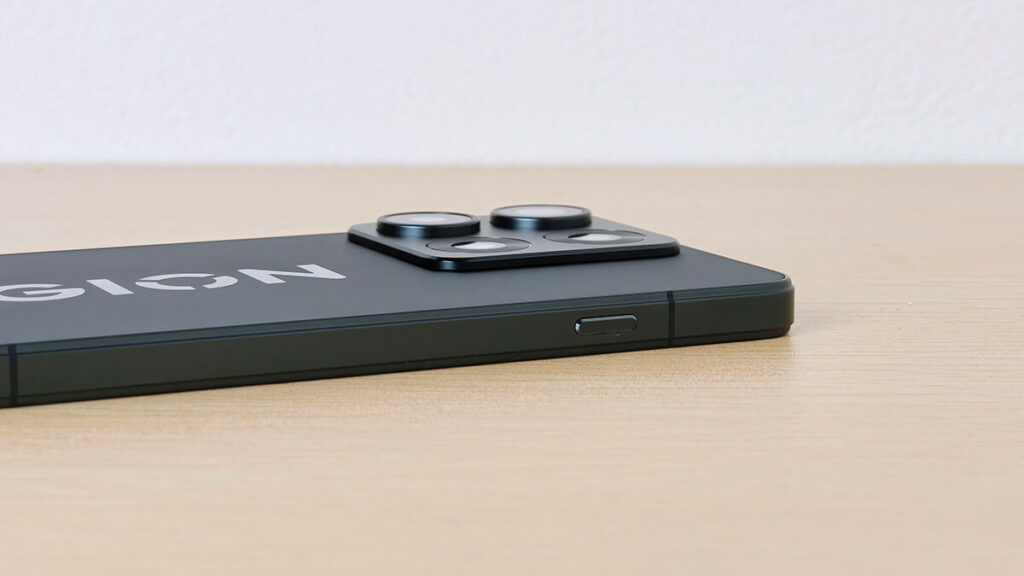
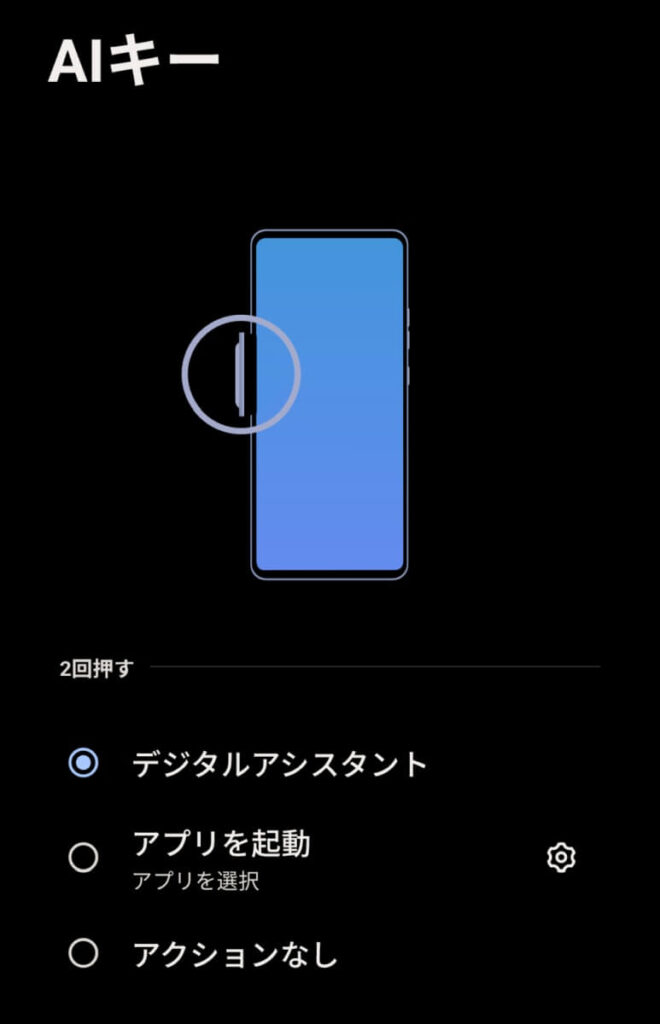
On the left side there’s a button called the AI key.
Double-pressing it can summon the assistant or launch an app of your choice.
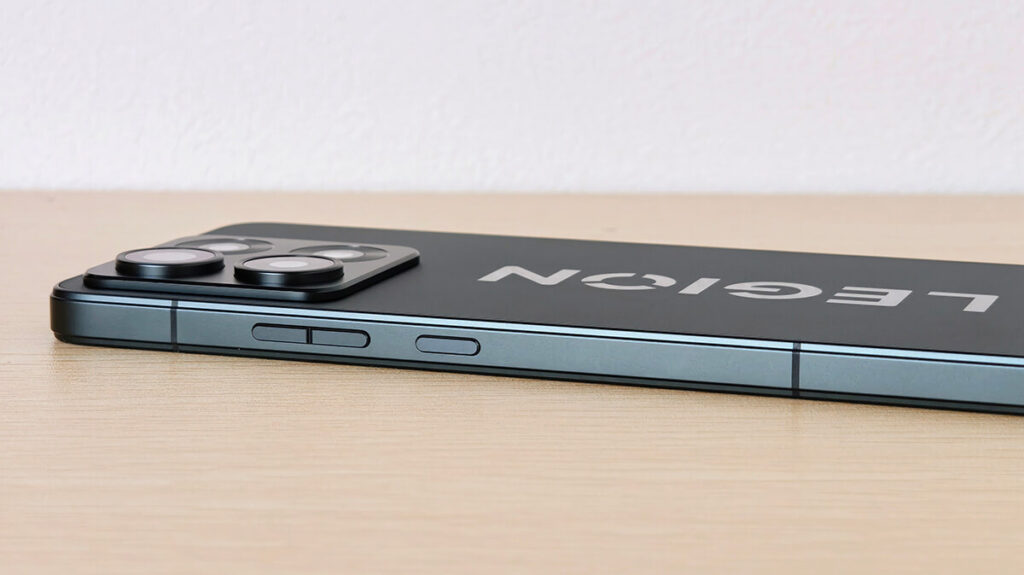
The power and volume buttons are on the right side.
Performance: Runs a Little Hot
The Lenovo Legion Y70 2026 uses the Snapdragon 8 Gen 5, with tuning that prioritizes gaming performance.
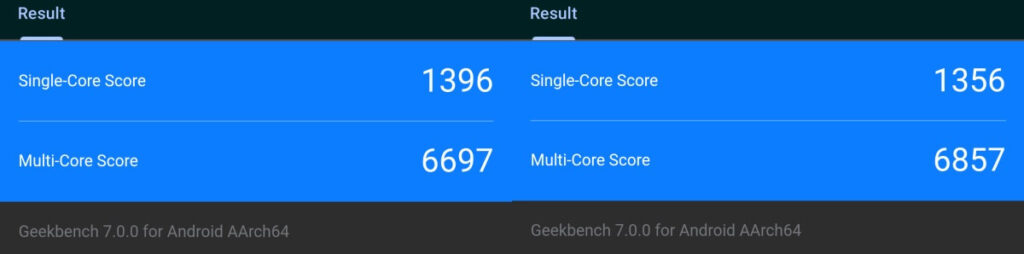
In Geekbench 7, the package-name-spoofed version (i.e. unaffected by any vendor cheating boost) scored 1396 single-core and 6697 multi-core, while the normal version scored 1356 single-core and 6857 multi-core.
There’s no significant gap, so it appears Lenovo isn’t manipulating performance based on package name detection.
More and more manufacturers are cheating by detecting well-known benchmark apps such as AnTuTu by their package name, then loosening thermal limits or locking the CPU to high clocks during the benchmark to make the score look better.
Since that behaviour differs from normal app usage, you end up with phones that benchmark well but don’t actually feel fast in other apps.
Boost behaviour varies from one manufacturer to the next, so comparing boosted results is meaningless.
That’s why it matters to change the package name to disguise the benchmark as an ordinary app and get correct, unboosted scores.
I explain this in detail in this article.
It’s a benchmark that puts a number on CPU processing performance, the kind used for things like background blur and text processing.
Single-core performance matters for light everyday tasks, and multi-core performance for heavy workloads such as games.
I collect benchmark results in this article.
In the 3DMark Wild Life Extreme Stress Test with a spoofed package name, the score went from 5307 to 2621.
Stability is on the low side.
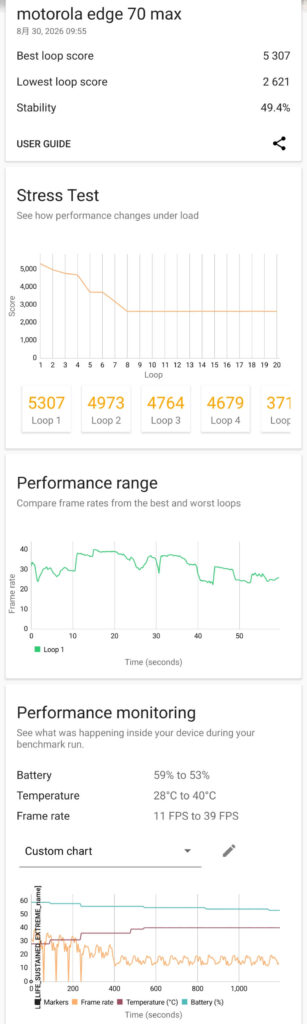
Wild Life Extreme is a benchmark that uses the Vulkan API and 3840×2160 graphics to quantify GPU performance.
The higher the score, the smoother 3D rendering can be in games, and a high Stability figure means the phone can sustain that performance over a long period.
It’s only a general, simplified indicator of Vulkan API performance, so it alone doesn’t determine gaming performance.
In PCMark Work 3.0 (package-name-spoofed version), which measures everyday performance such as document handling, it scored 15769.
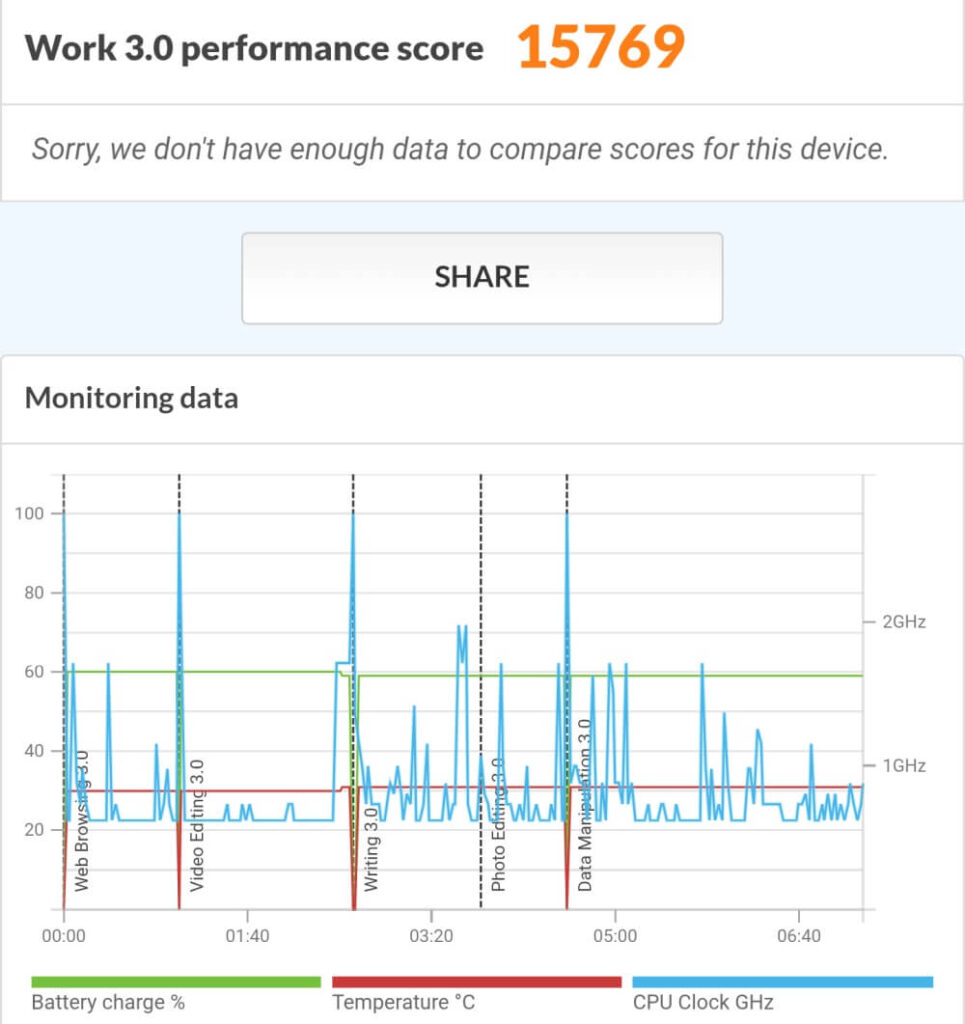
It’s a benchmark that quantifies processing performance in tasks such as web browsing and photo or video editing.
Higher means faster processing, but the balance with battery drain matters too, so a lower score doesn’t necessarily mean the phone is bad.
Anything above 10000 is plenty.
It comes with UFS 4.1 storage and LPDDR5X Ultra memory.
In CPDT Benchmark results, sequential speeds were slightly conservative (though still plenty fast), while random read and write were quick.
The areas you actually notice — app launches, installs and so on — are properly fast.
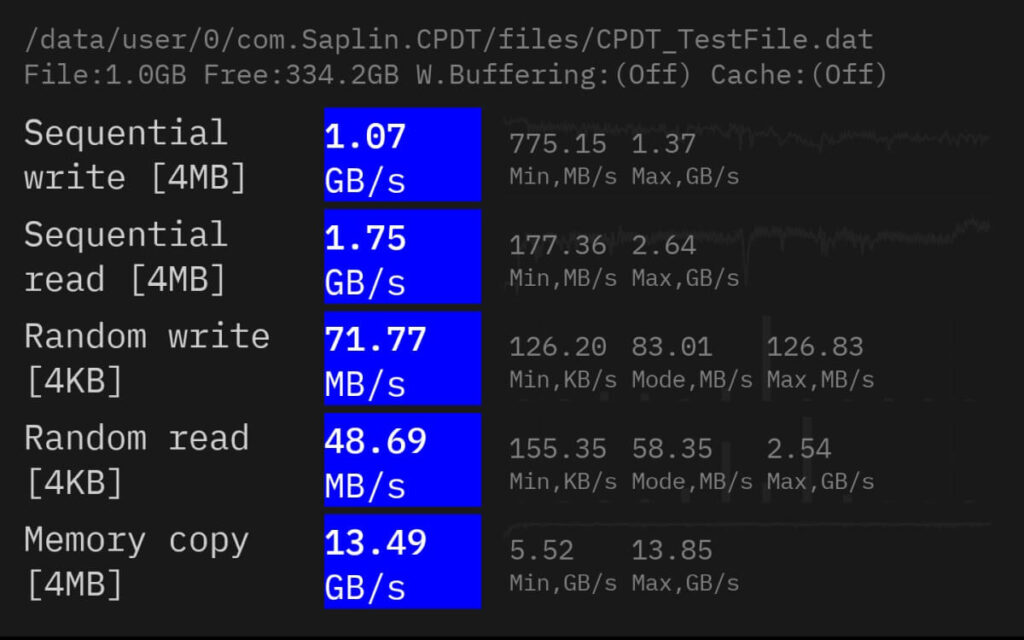
Sequential read and write are the speeds that matter when copying large files or encoding and decoding video.
Random read and write are the speeds for small files, and those are what matter when using apps and playing games.
Playing Genshin Impact — which is CPU-heavy — for 30 minutes in Nod-Krai with performance mode on, every graphics option maxed out and the frame rate set to 60FPS, and measuring with Scene, gave an average of 60FPS at 80.83mW of power draw per FPS.
Battery temperature rose to a maximum of around 46℃.
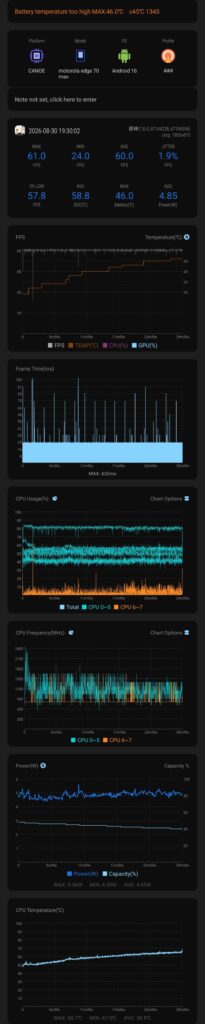
The lower the power draw per 1FPS, the better the power efficiency.
Good power efficiency means less battery drain; poor efficiency means the battery empties fast.
Phones with poor efficiency in games tend to drain heavily in other apps too, so you’ll often feel the battery dropping quickly.
Average FPS (frame rate) shows how consistently smooth the display stays — the higher the better.
(Strictly speaking, the smoothness you perceive improves when average FPS is high and there is little of the stutter known as “jank”.)
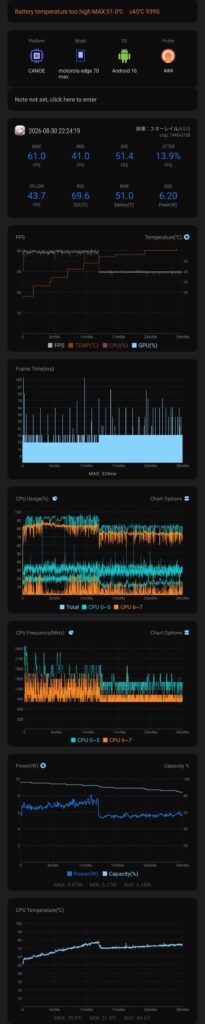
Playing Honkai: Star Rail — which is GPU-heavy — for 30 minutes in performance mode with every graphics option maxed out and the frame rate set to 60FPS, spamming Acheron’s technique in Penacony’s “Golden Hour”, gave an average of 51.4FPS.
Power draw was 120.62mW per 1FPS, worse efficiency than in Genshin Impact, and battery temperature peaked at 51℃ with the SoC averaging 69.6℃.
Heat dissipation can’t keep up when the GPU is under load, so it’s probably better to dial the graphics settings back a little.
The motorola edge 70 max ROM has almost no gaming-related features, so if gaming is your goal you’re probably better off leaving the Chinese ROM in place.
Motorola’s game mode is the worst of both worlds — few features and ads on top — and it lacks things like the in-game sound effects available on the Chinese version, so it can’t make the most of the Y70 2026’s potential.
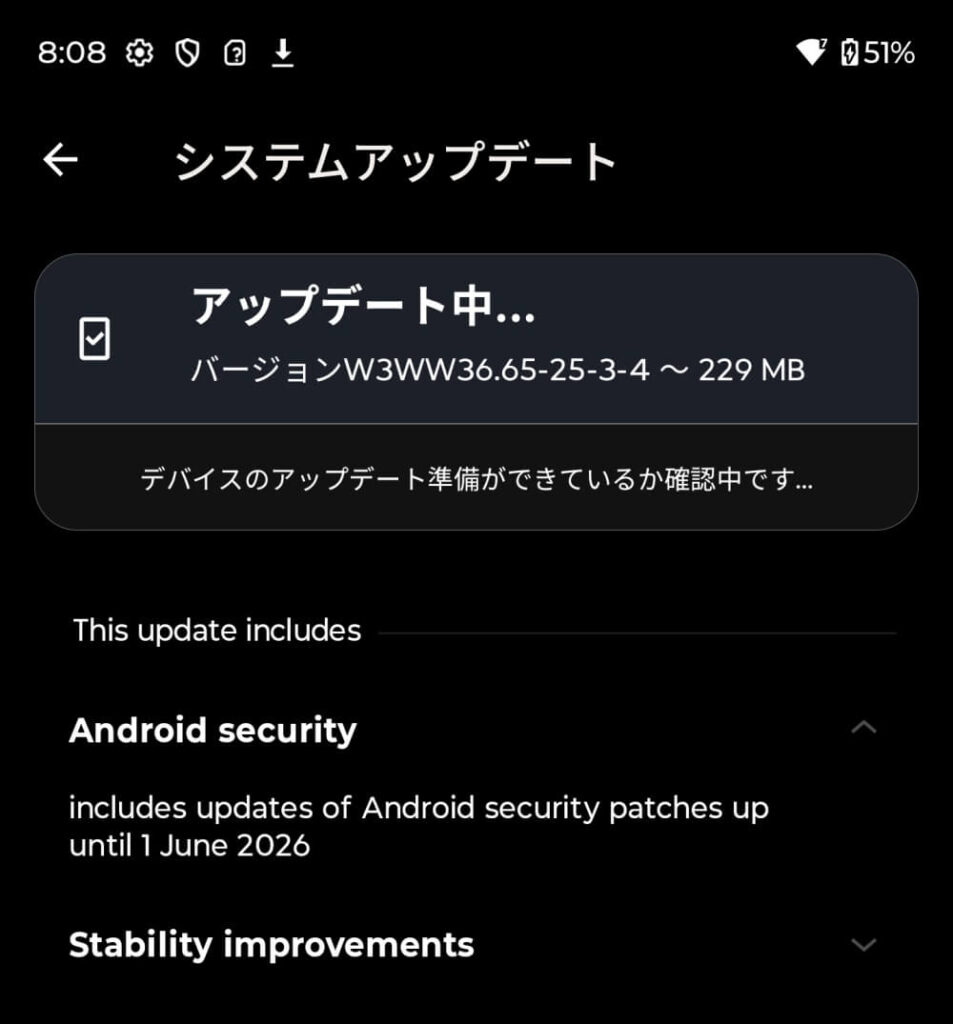
Outside of gaming features, the global ROM is easier to live with in many situations, and there’s no hassle involved — OTA updates still arrive even with the bootloader locked.
As covered here, you can turn it into a motorola edge 70 max by flashing the global ROM (XT2611-3_AVR_EDGE_70_MAX_TELEU_W3WW36.65-25-3-2_subsidy_DEFAULT_regulatory_DEFAULT_cid50_CFC.xml.zip).
Summary
The Lenovo Legion Y70 2026 is a great-value gaming phone with a Snapdragon 8 Gen 5, seriously loud speakers and a large 8000mAh battery.
It also supports dual eSIM and offers water, dust and shock resistance.
If you’re fine with leaving it on the Chinese version, you can buy it a little cheaper.